Materials

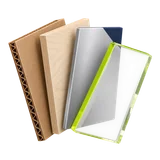
Materials for product displays.

Material selection depends on service life, product weight, location and the required finish. These are the main options.

Compare materials

Scroll sideways to compare

Compare cardboard, wood, metal and acrylic by use, fabrication, finishes, transport and planning requirements.
CriteriaCardboard & corrugated boardMaterial detailsWoodMaterial detailsMetalMaterial detailsAcrylicMaterial details
Typical useFloor and pallet displays for promotions and secondary placements.Retail shelving, sample holders and merchandise stands for longer-term placements.Frames, hook displays and rotating stands with regular replenishment.Counter displays, tester holders, plinths and transparent display-case panels.
FabricationPrinting, die-cutting, laminating and gluing.Cutting, CNC machining and drilling for shelving and shaped components.Laser cutting, punching, bending, welding and riveting.Cutting to size and assembling custom product holders and viewing panels.
Finishes and brandingPrinted surfaces; matte or gloss lamination by agreement.Wood type, exposed finish and branding areas to the brief.Powder coating in an agreed color; branding through panels or inserts.Transparent or colored panels; logo and information areas to suit the design.
Assembly and transportFlat-packed or erected, depending on the design.Disassembled or pre-assembled; plan connections and packing volume.Disassembled frames or assembled units; protect surfaces and edges.Protective packaging for viewing panels, edges and bonded components.
Planning considerationsConsider product weight, moisture at the location and reinforcement.Agree the unit weight, shelf fixings and surface care.Specify the footprint, load distribution and component connections.Agree material thickness, point loads, product access and cleaning.

Load capacity depends on the structure, material thickness and contents. A material alone determines neither the load rating nor the price.

Materials and fabrication in detail

Each material serves a different purpose. Materials can also be combined.

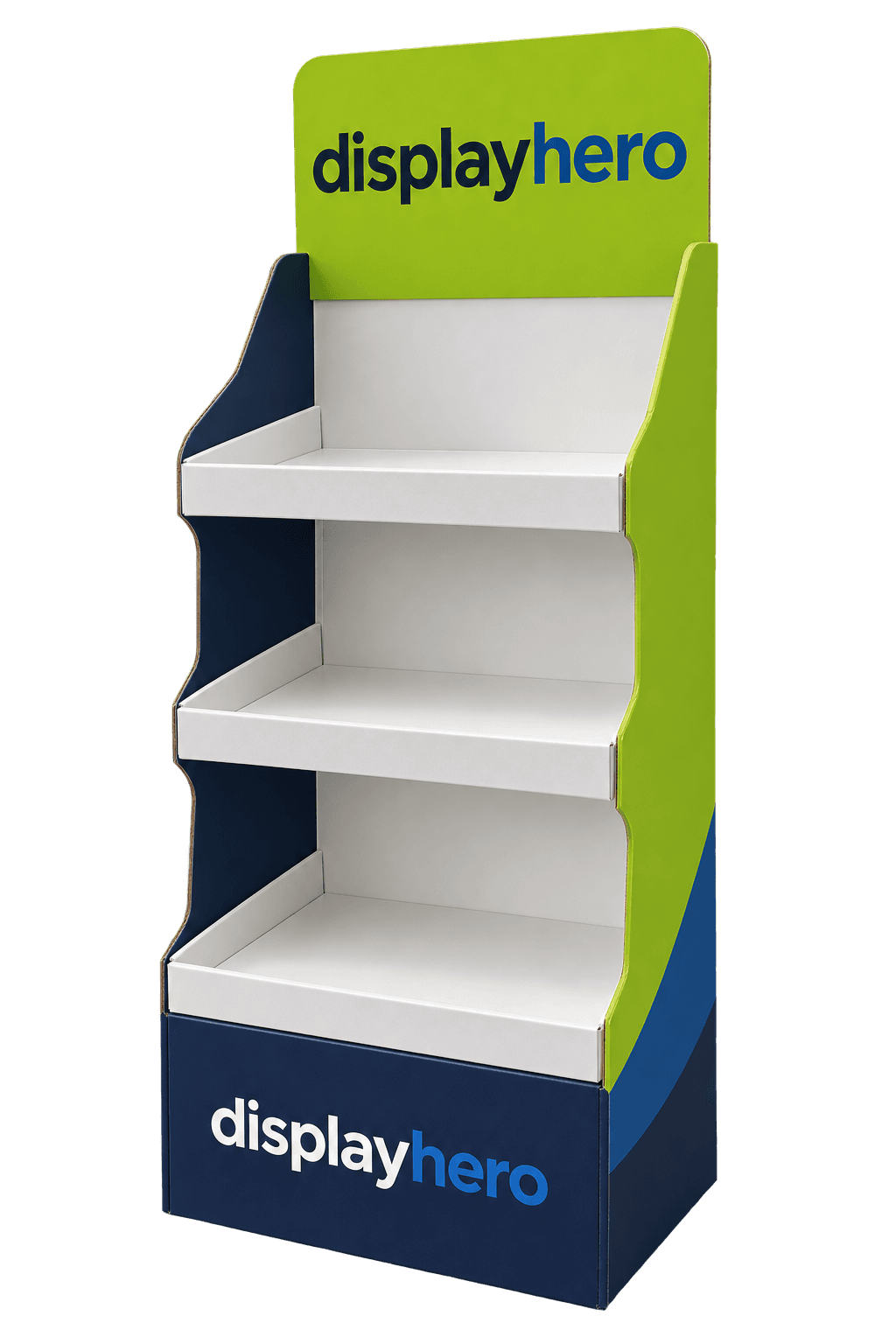
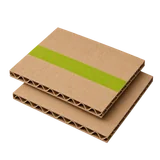
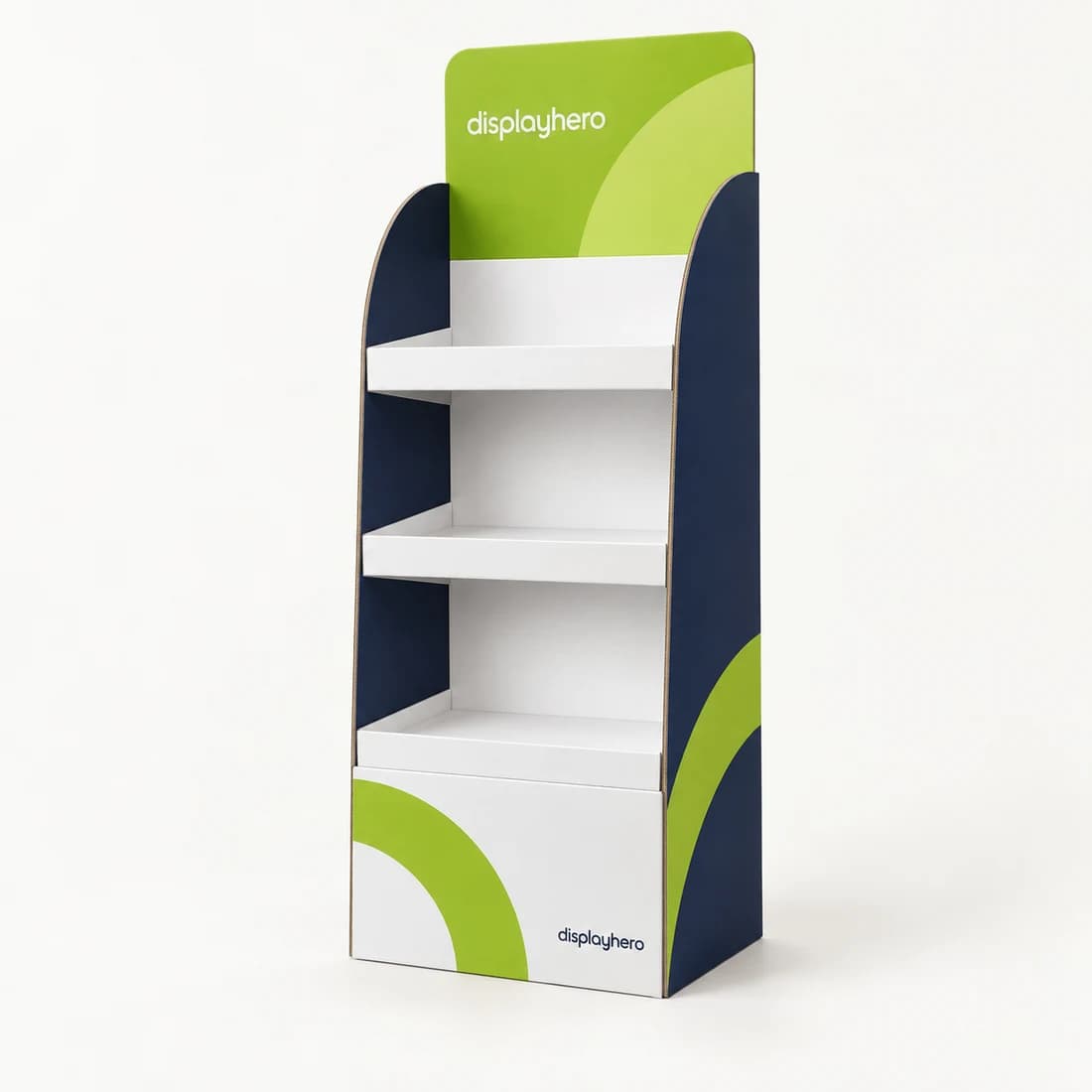
Concept example: Cardboard & corrugated board
Concept visualization · Final specification agreed individually

Cardboard display stands

Lightweight, printable material for temporary promotions. Shape, thickness and reinforcement are planned for the product weight and application.

Fabrication
Printing, die-cutting, laminating and gluing.
Finishes and branding
Printed surfaces; matte or gloss lamination by agreement.
View a related display type
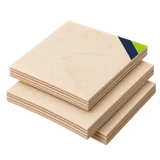
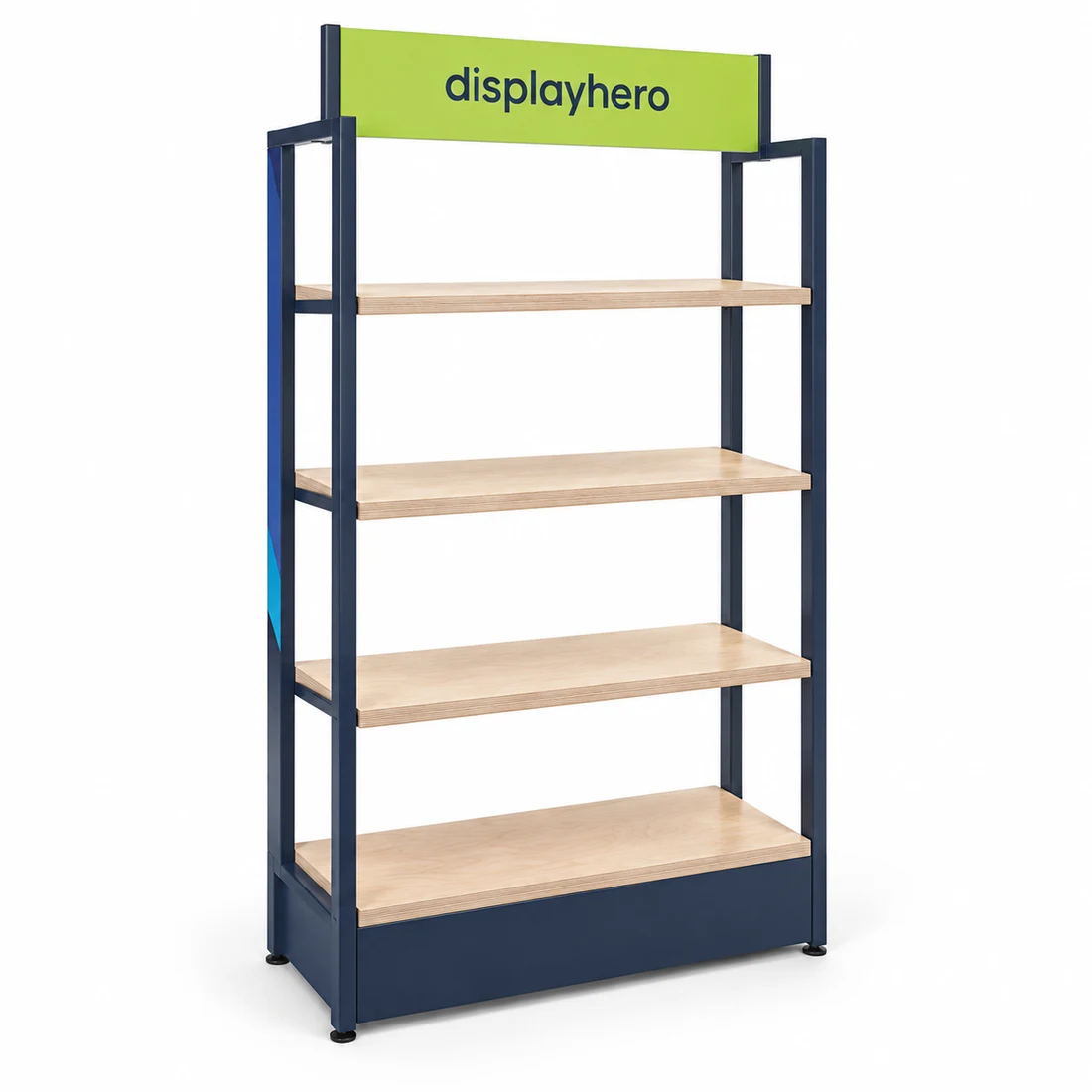
Concept example: Wood
Concept visualization · Final specification agreed individually

Wooden retail displays

Wood can be used for long-term shelving and stands. Wood type, finish, structure and weight are adapted to the application.

Fabrication
Cutting, CNC machining and drilling for shelving and shaped components.
Finishes and branding
Wood type, exposed finish and branding areas to the brief.
View a related display type
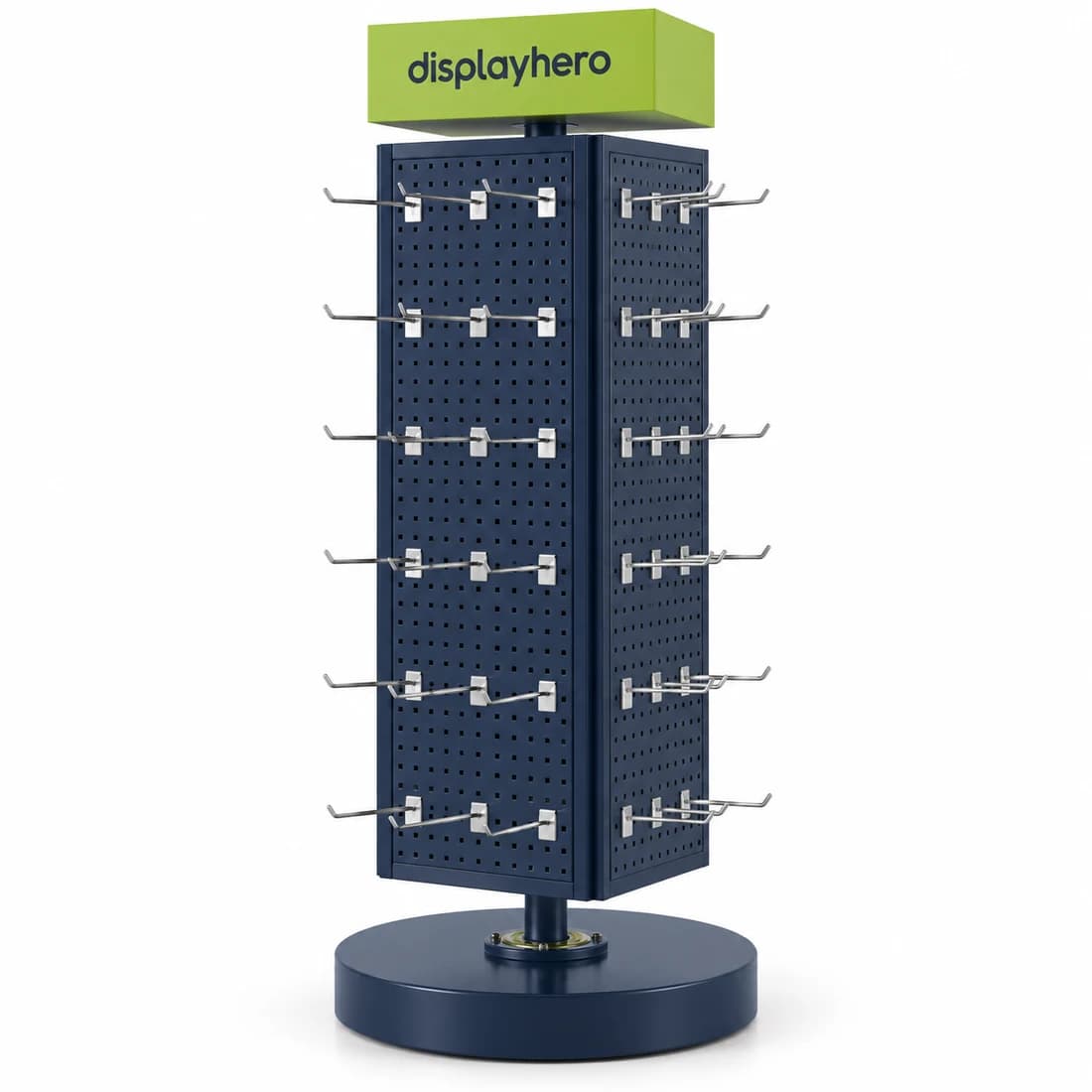
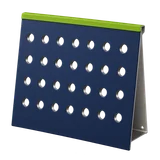
Concept example: Metal
Concept visualization · Final specification agreed individually

Metal display stands

Metal supports robust frames, shelves and hook systems. Particularly useful for displays that stay in place and are replenished regularly.

Fabrication
Laser cutting, punching, bending, welding and riveting.
Finishes and branding
Powder coating in an agreed color; branding through panels or inserts.
View a related display type
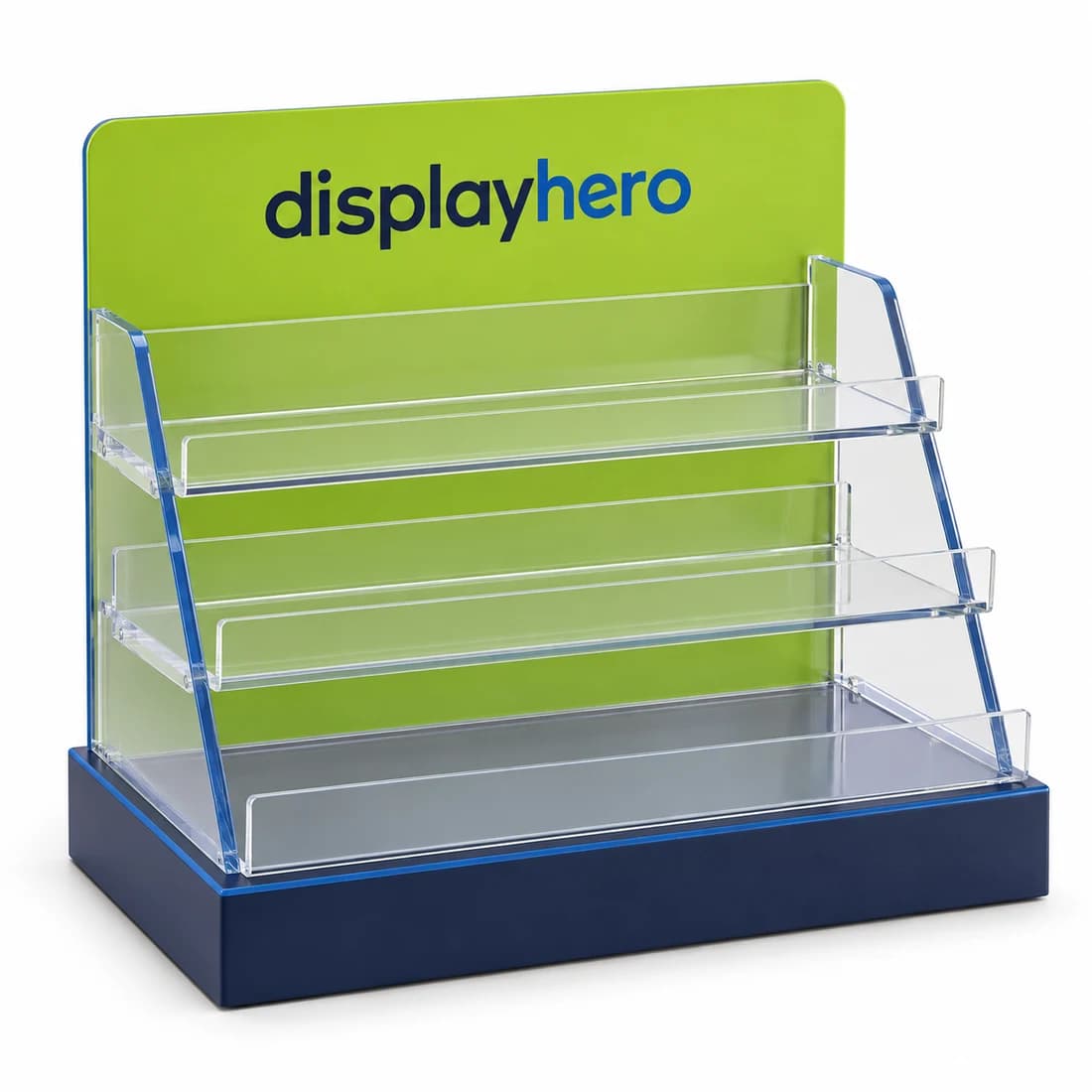
Concept example: Acrylic
Concept visualization · Final specification agreed individually

Acrylic product displays

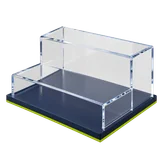
Acrylic can be used for transparent or colored product holders and plinths, including combinations with wood or metal. Planning takes thickness, loads and cleaning into account.

Fabrication
Cutting to size and assembling custom product holders and viewing panels.
Finishes and branding
Transparent or colored panels; logo and information areas to suit the design.
View a related display type

Further options on request

For specific requirements, we assess additional materials and technical components.

Mixed materials

For example, metal frames with wooden shelves or acrylic holders on a printed base. Materials are selected for the function of each component.

Other materials and shaped parts

Bamboo, PVC and vacuum-formed or injection-molded plastic parts can be assessed for a specific project. Shape, quantity and tooling requirements determine suitability.

Lighting and media

LED lighting or integrated screens are possible following a technical review. Installation dimensions, power supply and maintenance access are included in the design.

Material thicknesses, load ratings and the specific combination are engineered for your project. Requirements for care, reuse or certification are agreed in advance.

No-obligation inquiry

Request a
custom display.

Tell us about your product, quantity and location. We will review your requirements and discuss the specification with you.

Start your projectNo obligation · No finished concept needed
Displayhero floor display with white shelves and lime and navy printing
Concept visualization
Display materials: cardboard, wood, metal & acrylic | Displayhero